Difficult Conversations Training & Handling Conflict

Give your managers and staff difficult conversations training with practical tools to enhance confidence and communication skills. Enabling them to tackle difficult conversations early, manage emotions and move challenging situations towards a productive resolution.

When difficult conversations don’t happen, problems rarely disappear

Instead what you often notice happening is:

Managers putting off conversations they know they need to have

Problems being allowed to grow because people are worried about creating conflict

Feedback being given but met with defensiveness or resistance

Tensions, misunderstandings or personality clashes affecting the wider team

Managers getting drawn into disputes between other people

Conversations becoming emotional, personal or confrontational

People saying “yes” in the meeting but nothing actually changing afterwards

Good managers losing confidence when faced with particularly challenging individuals

It’s true that avoiding difficult conversations can feel easier in the short term. But unresolved issues have a habit of becoming bigger issues.

Difficult conversations are part of working life. Whether it’s addressing performance or behaviour, giving feedback, managing different expectations, dealing with tension between colleagues or simply saying something that you know may not be well received, these conversations can feel uncomfortable.

And when people lack the confidence or skills to tackle them, they can easily be put off, are handled badly or avoided altogether. Frustration builds, misunderstandings grow and relatively small issues can develop into much bigger problems.

Effective difficult conversations training can give managers and staff the confidence and practical skills to address issues earlier, before they escalate or start affecting wider working relationships.


What makes my difficult conversations training different?

There are plenty of models and frameworks for handling difficult conversations. They can be useful, but real conversations rarely follow a neat script.

People are different. Situations are different. And what is being said on the surface isn’t always what is really driving the problem.

That is why my training goes beyond simply teaching delegates a process to follow. Drawing on communication and business psychology, coaching approaches and practical behavioural techniques, it helps people develop a deeper understanding of what may be happening within themselves, within the other person and within the dynamic between them.

Delegates learn how to recognise emotional triggers and different responses to conflict, understand resistance and defensiveness, listen for what may be sitting underneath the words being used, and use effective questioning to uncover assumptions, concerns, beliefs, needs and different perspectives.

We also explore the dynamics that can keep difficult situations going – including blame, avoidance, rescuing and the Drama Triangle – and how changing your own response can often change the direction of the conversation.

Rather than leaving with one formula for having a difficult conversation, delegates build a flexible toolkit of approaches they can draw upon depending on the person, the situation and what is happening in the moment.

And because knowing what to do is very different from being able to do it when a conversation becomes uncomfortable, the training is highly practical and interactive. Delegates have opportunities to explore realistic workplace situations, practise techniques and consider how they can apply them to the difficult conversations they encounter in their own roles.

The result is not simply greater knowledge about conflict. It is greater confidence, flexibility and choice in how people respond when conversations become difficult.

What will change after Difficult Conversations Training?

The aim of the training is not simply to give people more knowledge about conflict and communication. It is to help them change the way they approach and handle difficult situations back in the workplace.

Following the training, delegates should feel better equipped to:

  • Have conversations earlier rather than putting them off and allowing problems, frustration or resentment to build.

  • Approach difficult conversations with greater confidence, even when they are unsure how the other person may respond.

  • Prepare more effectively, being clear about what needs to be addressed and what they want the conversation to achieve.

  • Recognise and manage their own emotional triggers and reactions, helping them stay calm, objective and in control when conversations become challenging.

  • Understand what may be happening beneath the surface, rather than reacting only to the words, behaviour or presenting problem.

  • Listen and question more effectively to uncover different perspectives, assumptions, concerns and needs.

  • Communicate clearly and assertively without becoming passive, aggressive or unnecessarily confrontational.

  • Handle defensiveness, resistance and strong emotions without automatically becoming defensive themselves or allowing the conversation to become derailed.

  • Challenge behaviour or performance while maintaining the relationship and treating the other person with respect.

  • Recognise when they are becoming drawn into unhelpful workplace dynamics such as blame, rescuing, avoidance or the Drama Triangle – and know how to step out of them.

  • Find common ground and areas of shared purpose, even when people initially appear to be coming from very different positions.

  • Move conversations towards solutions, clear expectations and agreed actions, rather than simply going around the problem.

Ultimately, the training helps people become more willing and able to say what needs to be said, listen to what needs to be heard and deal with issues constructively before they become bigger problems.
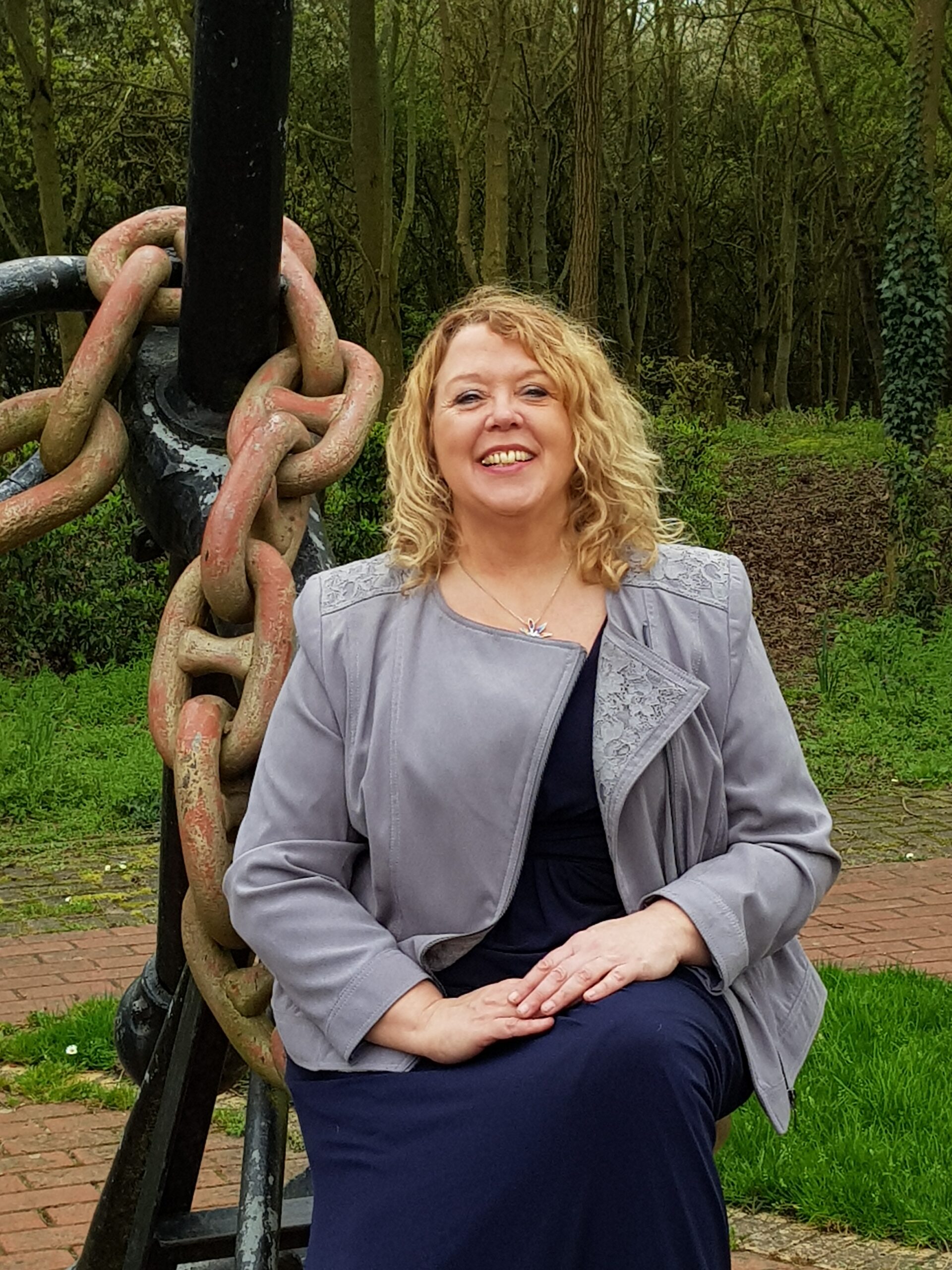
Jo Creed, Difficult Conversations Training facilitator

Difficult Conversations Training with Jo Creed

I bring over 18 years’ experience of working with organisations, leaders and teams, together with a background in psychology and Director-level experience within both commercial and healthcare environments. This means my training isn’t based purely on theory. I understand the realities of workplace relationships, organisational pressures, change and the difficult conversations that can come with managing and working with people.

As an experienced trainer and coach, I draw on business and behavioural psychology, NLP, coaching approaches, emotional intelligence and other communication and behavioural change techniques to help people understand not just what to do differently, but what may be driving behaviour in the first place.

Over the years I have worked with organisations and teams across the NHS and healthcare, public services, education, social care, charities and private businesses, always with an emphasis on making learning practical, engaging and applicable to the real situations people face at work.

My aim is simple: to give people greater insight into themselves and others, alongside practical tools they can actually use when the conversation gets difficult.

Course Content

Areas covered include:

Before we can handle difficult conversations effectively, it helps to understand what happens to us, and to others, when disagreement, tension or conflict arises.

  • Understanding different conflict styles and the impact they can have
  • Recognising your own resistance to difficult conversations and how to shift your mindset
  • Understanding and managing a fear of conflict
  • Respecting the emotions involved and knowing what to do when emotions run high
  • Understanding the cause and effect of workplace disputes
  • Exploring the Drama Triangle and how we can become caught in unhelpful patterns of behaviour
  • Putting yourself into a more resourceful state before and during challenging conversations

Handling difficult situations well isn’t only about what you say once you’re in the conversation. Recognising problems early and preparing yourself effectively can make a significant difference to the outcome.

  • Recognising the warning signs that a problem may be developing
  • Understanding how smaller issues can escalate into conflict
  • The keys to avoiding unnecessary conflict before it arises
  • Preparing effectively for a difficult conversation
  • Becoming clear about what you want the conversation to achieve
  • Creating an environment where people can disagree and debate constructively rather than avoiding difficult subjects

Delegates develop practical communication skills to help them stay constructive, communicate clearly and increase the likelihood that the other person will genuinely hear what is being said.

  • Why listening may be your most powerful communication tool and how to optimise your listening skills
  • Understanding why people don’t always hear what we think we’ve said
  • Adapting your communication to maximise the chances of being heard and understood
  • Knowing when to use empathy and when to be assertive
  • Understanding the impact of your body language and non-verbal communication
  • Communicating effectively when emotions are running high
  • Increasing the likelihood that feedback is heard and acted upon

What people initially say they are disagreeing about isn’t necessarily the whole problem. Delegates learn how to look beyond the presenting issue and explore what may really be driving the situation.

  • Using effective questions to dig deeper and understand what is really going on
  • Getting to the deep structure of the problem
  • Identifying the core beliefs that may underlie the issue
  • Exploring different perspectives rather than making assumptions about the other person’s intentions
  • Assessing the wider implications of a conflict situation
  • Listening and questioning to uncover what might otherwise remain unsaid

The ultimate aim isn’t simply to have the difficult conversation – it is to help people move beyond disagreement towards an outcome that everyone can work with.

  • Asking questions that encourage people to look towards a positive resolution
  • Moving conversations away from the problem and towards a more solution-focused approach
  • Finding joint purpose, common ground and shared values
  • Helping both parties become invested in finding a way forward
  • Using feedback constructively to encourage change
  • Developing stronger negotiation skills
  • Moving from disagreement towards clear actions and an acceptable resolution


Practical, interactive learning

This isn’t a course where delegates simply sit and listen to theories about handling difficult conversations. My Difficult Conversations Training is practical, engaging and highly interactive. Delegates have many opportunities to explore realistic workplace situations, practise different approaches and experiment with the tools and techniques in a supportive environment. The emphasis throughout is on turning learning into something they can confidently use in real conversations back at work.


Frequently asked questions

Yes. My Difficult Conversations Training can be tailored to reflect your organisation’s particular needs and working environment. No two organisations, teams or workplaces experience exactly the same challenges, so the conflict management and difficult conversations training can be tailored to reflect your particular needs and working environment. We can adapt the emphasis, examples, scenarios and activities around the types of difficult conversations your people are most likely to encounter, ensuring the learning feels relevant, practical and directly applicable back in the workplace.

This training is suitable for managers, team leaders, supervisors and staff at all levels who need to handle difficult or challenging conversations as part of their role.

It is particularly valuable for people who need to address performance or behaviour, give feedback, manage disagreements or tensions, deal with different expectations, challenge appropriately, resolve workplace conflict or simply feel more confident saying what needs to be said when a conversation feels uncomfortable.

The training can also benefit teams who want to develop a more open and constructive approach to communication, where people feel better equipped to raise issues earlier, discuss differences and work through problems before they escalate.

Yes. The training can be delivered face-to-face anywhere in the UK or as a live, interactive online course.

Online training is usually delivered via Zoom, which allows us to use breakout rooms and other interactive features to keep the session practical and engaging. If your organisation prefers to use its own platform, I can potentially also deliver the training through Microsoft Teams using your organisation’s account.

Whichever format you choose, the emphasis remains on interaction, discussion and practical application, rather than simply listening to a presentation.

The Difficult Conversations Training is usually delivered as a one-day course, giving delegates plenty of opportunity to explore the key concepts, practise the techniques and consider how they can apply them to real workplace situations.

For organisations wanting to explore the subject in greater depth, the training can also be extended or developed into a longer programme, allowing more time for practice, additional topics and working with the specific challenges your managers or teams are experiencing.

Yes. Where appropriate, delegates can explore real workplace situations and difficult conversations they are currently facing, making the learning even more relevant and immediately applicable.

It is important, however, that people feel safe and comfortable contributing, so no one is pressured to share anything they would prefer to keep private. At the start of the training, we agree clear expectations around confidentiality, respect and non-judgement, creating a supportive environment where delegates can explore situations without fear of criticism.

Where a real situation is discussed, the focus is on learning, understanding different perspectives and exploring possible approaches, rather than judging how anyone has handled the situation in the past. Scenarios can also be anonymised or adapted where this feels more appropriate.

Give your people the confidence to tackle difficult conversations

If you want your managers or staff to feel more confident having difficult conversations, addressing issues earlier and handling conflict constructively, I’d be happy to discuss how I can help.

Every organisation is different, so we can talk through the situations your people are facing, the skills you would like them to develop and the outcomes you want to achieve. I can then recommend how the training can be tailored to meet the needs of your organisation and your people.

Contact me to discuss your requirements and how the training could work for your organisation.